
Dawn of War III – Strategy, Scale, and the Return of a Legendary Franchise
Dawn of War III blends large-scale battles with hero-driven tactics.

When Dawn of War III was first revealed, it immediately reignited excitement within the real-time strategy community. As the latest chapter in Relic Entertainment’s acclaimed Warhammer 40,000: Dawn of War series, the game set out to combine the best elements of its predecessors while delivering larger-than-life battles that reflect the brutal, unrelenting nature of the 41st millennium.
A Legacy of Strategy and Innovation
The Dawn of War franchise has always stood apart in the RTS genre. While the original emphasized base building and large-scale tactics, Dawn of War II shifted toward smaller squads, cover mechanics, and a more intimate battlefield experience. With Dawn of War III, Relic aimed to strike a balance: returning to the strategic depth of the original while retaining the hero-driven dynamics of its sequel.
This hybrid approach positioned the game as both a nostalgic return and an ambitious step forward.
The Core Factions
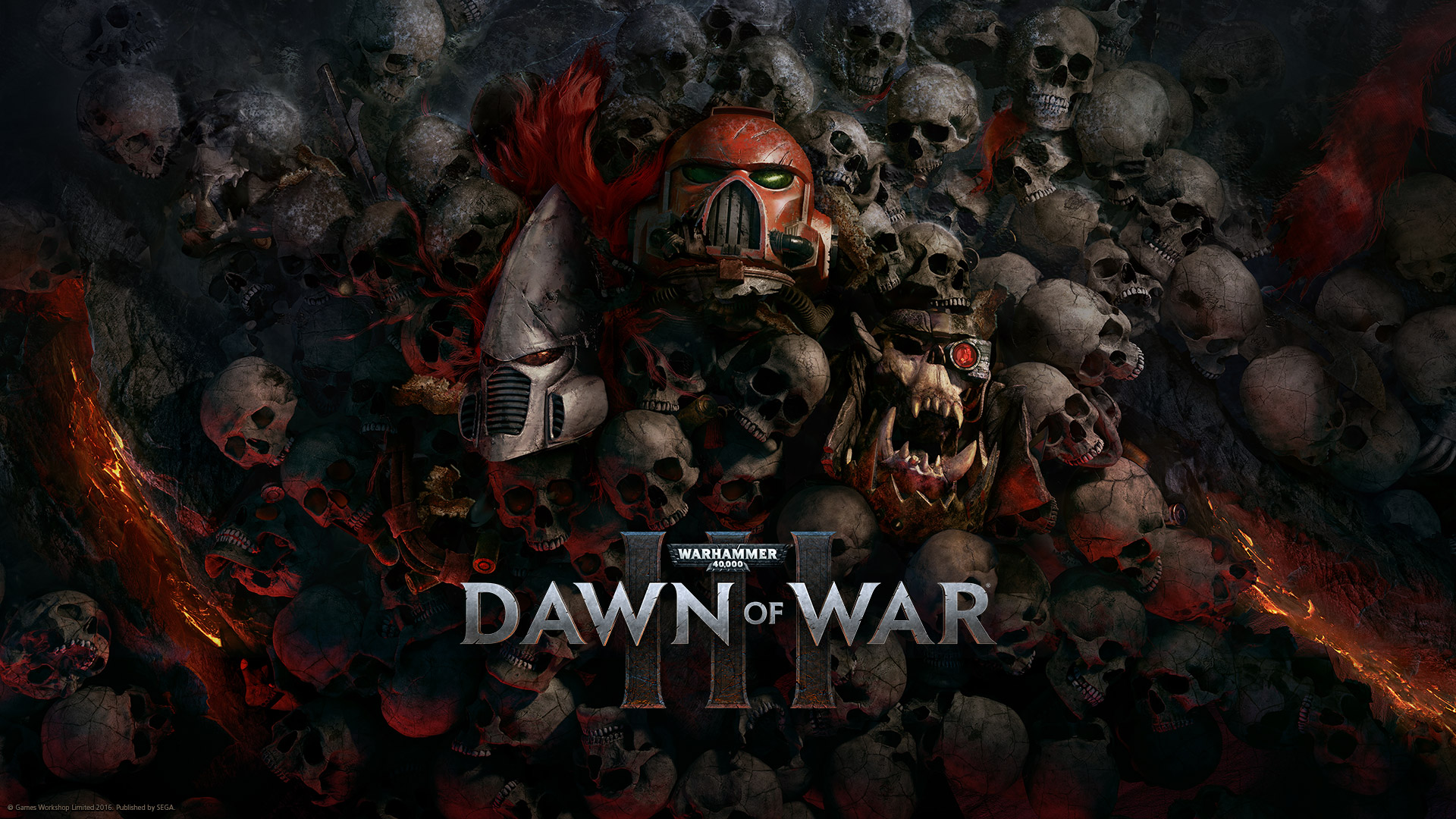
At its heart, Dawn of War III is defined by its three playable factions, each bringing unique mechanics and philosophies of war:
- Space Marines: The Emperor’s finest warriors, focusing on elite units, versatile technology, and devastating orbital strikes.
- Orks: Chaotic, brutal, and resourceful; their strength lies in numbers, looted war machines, and sheer aggression.
- Eldar: Ancient and tactical, relying on speed, psychic abilities, and precision to outmaneuver opponents.
The interplay between these factions creates not just balance but also narrative tension each race fighting for supremacy over a mysterious and powerful artifact.
Features That Defined Dawn of War III
- Epic Battlescapes – Unlike its predecessors, Dawn of War III introduced massive-scale combat, with titanic units like Imperial Knights dominating the battlefield.
- Hybrid Gameplay – A mix of base building, resource management, and squad tactics, appealing to fans of both the first and second games.
- Cinematic Campaign – A story-driven experience weaving together all three factions, with missions that challenge players to adapt to different playstyles.
- Competitive Multiplayer – Designed for longevity, multiplayer skirmishes became a proving ground for strategies, alliances, and faction mastery.
Critical Reception and Community Impact
While praised for its ambition, visuals, and large-scale combat, Dawn of War III also faced debate within the community. Some long-time fans applauded its attempt to merge gameplay styles, while others felt it didn’t fully satisfy either camp. Despite this, the game remains a significant entry in the RTS space, often sparking discussions about the evolution of strategy games and the challenges of balancing innovation with legacy.
The Lasting Influence of Dawn of War III
In hindsight, Dawn of War III stands as a reminder of the fragile balance between fan expectations and developer vision. Its bold attempt to unify two different design philosophies highlights both the strengths and risks of innovation in long-standing franchises. For RTS enthusiasts, it remains a case study in how developers navigate the demands of evolving audiences while staying true to a brand’s identity.